Michael Brannon testified for the defense on Day 8 about battered spouse syndrome, trauma responses, and the safeguards needed for psychological assessment. He had not assessed Sarah Boone, so his testimony offered general principles rather than a diagnosis or a finding that her conduct was justified.
Expert witnessInstitute for Behavioral Sciences & the Law
Michael Brannon
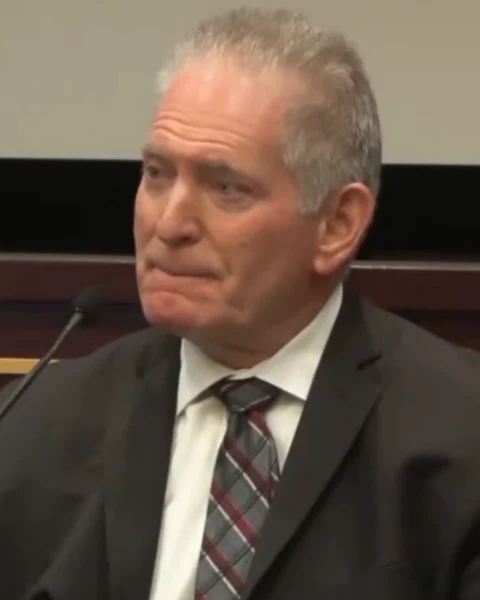
Michael Brannon is a licensed forensic psychologist and codirector of the Institute for Behavioral Sciences & the Law. He also trains forensic psychiatrists as an adjunct faculty member at Florida Atlantic University.
Appeared2024 Criminal Trial
107 lines·31 proceedings·23 mentions
About
Michael Brannon testified for the defense on Day 8 about battered spouse syndrome and psychological assessment. A Florida-licensed psychologist, he described coercive control, a perceived inability to escape, and coping responses to intimate-partner abuse. He explained that battered spouse syndrome is not a formal DSM diagnosis and is related to trauma disorders such as PTSD. His testimony supplied a general framework rather than a conclusion that Sarah Boone met its criteria: he confirmed that he had not assessed her.
During direct examination, Brannon described substance use, defending an abuser, hypervigilance, and other possible responses, while emphasizing individual variation. He said an assessment should compare interviews with behavioral history, psychological testing, medical information, police statements, and other relevant evidence, while investigating alternative explanations. The court excluded questioning about why he had declined an assessment of Boone and limited questions concerning jury instructions, legal conclusions, and threats others might not perceive.
On cross-examination by William R. Jay, Brannon explained that trauma depends partly on an individual's response to an event. He discussed alcohol-related memory impairment, personality traits, prior diagnoses, pre-existing symptoms, and possible impression management as matters evaluators should examine. The court permitted a disputed hypothetical after Jay described anticipated rebuttal videos, leaving a possible request to strike for later if the videos were not admitted. Brannon answered that conduct perceived as threatening, abusive, or insulting could increase the probability of physical violence. He did not say that a physical response was justified or make a finding about an actual incident.
On redirect, Kevin Beck elicited Brannon's explanation of testing for malingering, checking self-reports against other evidence, and avoiding diagnoses based on isolated features. After the court excluded an abusive-household hypothetical, Brannon answered a general question about how prior trauma, adverse experiences, or depression can increase later vulnerability. He also described learned helplessness as a belief that efforts to change one's situation will fail, sometimes leading to depression or appeasing behavior.
Trial Record (31)
No proceedings match this filter.