Julie Harper testified for the defense that her assessment supported a PTSD diagnosis and an opinion that Sarah Boone had battered spouse syndrome at the time of the suitcase incident. Cross-examination tested her reliance on Boone's account, gaps in her collateral review, and what she had asked about Boone's reported anger and conduct.
Expert witnessNorthwest Florida Psychological Services
Julie Harper
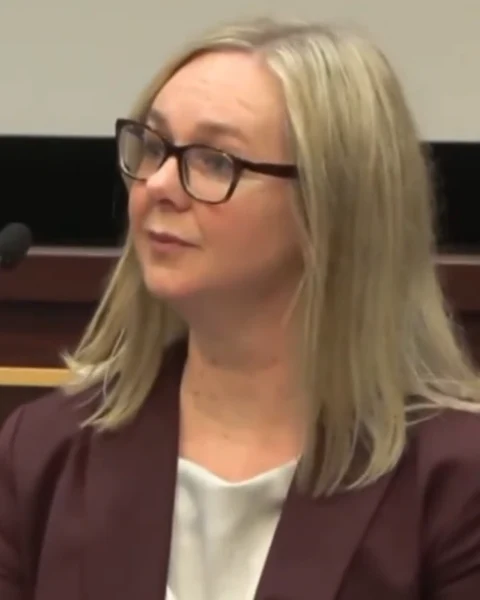
Julie Harper is a licensed forensic psychologist who owns Northwest Florida Psychological Services in Florida's Panhandle. Her practice includes assessments of competence to stand trial and sanity at the time of an offense.
Appeared2024 Criminal Trial
489 lines·39 proceedings·26 mentions
About
Julie Harper testified for the defense on Day 8 about her psychological assessment of Sarah Boone, based on nine meetings, three psychological tests, and collateral materials. She diagnosed PTSD and opined that Boone had depression and alcohol use disorder at the time of the offense. She attributed Boone's trauma to intimate-partner violence and opined that Boone had battered spouse syndrome at the February 23, 2020 event.
Harper explained danger cues, coping, and delayed disclosure, and interpreted Boone's sharp speech in reviewed videos as associated with stress. She identified narcissistic traits but did not diagnose a personality disorder, explaining that trauma could better account for the features she observed. She reported valid participation on two screening measures but emphasized that diagnosis did not rest on a single test. The court limited her testimony relaying family-history statements and prior diagnoses.
On cross-examination, William R. Jay challenged her methods and reliance on Boone's account. Harper acknowledged that battered spouse syndrome is not a DSM-5-TR diagnosis and has no required standardized evaluation approach. She identified gaps in her collateral review and acknowledged a changed answer from her deposition about one narcissistic criterion. Harper confirmed that Boone had reported becoming angry, intending to leave Torres in the suitcase for two minutes to convey how choking felt, and believing he could get out himself. She had not asked which words caused that anger. She also clarified that Boone described no physical fight that day and described poking with a bat while Torres was inside the suitcase. The court permitted questions from Aspire records but sustained the objection to questions about Orange County Jail medical records.
On redirect, Harper classified proposed examples of controlling conduct, including threats against dogs, withholding a phone or debit card, and destroying property. She qualified that taking car keys involved control if they were withheld, and that not helping pay bills could amount to withholding or coercive control. These answers addressed general examples rather than identifying who committed those acts. She was excused after both sides agreed to her release.
Trial Record (39)
No proceedings match this filter.